- View Mobile Number
Karan.rana4000@gmail.com

Breads & Buns
Leading Manufacturers, Wholesaler and Trader of Burger Bun, Garlic Loaf Bread, Hot Dog Bun, Jumbo Bread, Methi Kulcha, Multi Grain Bread, Pav Bread, Pizza Base, Plain Kulcha, Plain White Bread, Saunf Rusk, Soup Sticks, Sweet Bun and Whole Wheat Bread from Ludhiana.
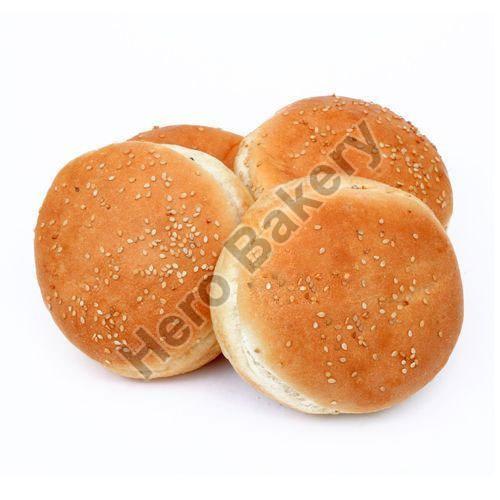
| Business Type | Manufacturer, Supplier, Trader |
| Country of Origin | India |
| Certification | Fssai |
| Application | Bakery, Restaurant, Home |
| Shelf Life | 2 Days |
| Feature | Free From Impurities, Safe Packaging |
| Texture | Soft |
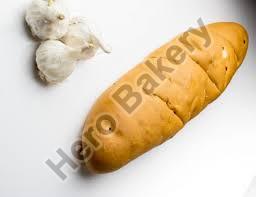
| Business Type | Manufacturer, Supplier, Trader |
| Country of Origin | India |
| Certification | FSSAI Certified |
| Application | Bakery Use |
| Shelf Life | 1 Week |
| Packaging Type | Plastic Packets |
| Features | Premium Quality |
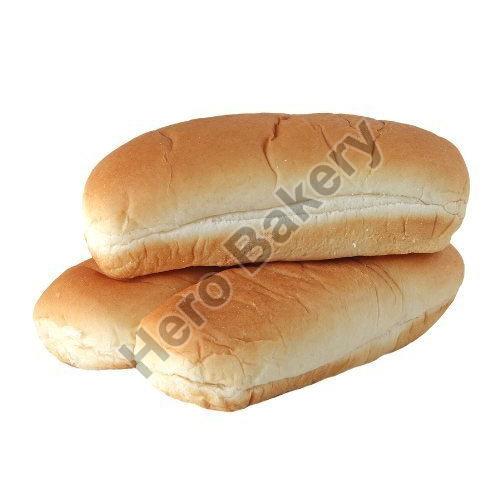
| Business Type | Manufacturer, Supplier, Trader |
| Country of Origin | India |
| Certification | FSSAI Certified |
| Application | Bakery Use, Breakfast Use |
| Shelf Life | 2 Days |
| Feature | Good In Taste |
| Packaging Type | Plastic Packets |

| Business Type | Manufacturer, Supplier, Trader |
| Shelf Life | 1 Week |
| Usage | Bakery Use |
| Packaging | Plastic Packets |
| Certification | FSSAI Certified |
| Feature | Hygenic, Low Fat |
| Country of Origin | India |
Jumbo Bread Manufacturer for Your Business
Bread is a staple in millions of households, cafeterias, and restaurants. But when it comes to feeding large families, catering bulk events, or running a high-volume food business, standard-sized loaves simply don't suffice. This is where Jumbo Bread Manufacturer becomes a critical partner. Jumbo bread—larger, thicker, and more substantial than regular loaves offers better value for money, fewer packaging materials per slice, and greater convenience for commercial kitchens. Whether you are a retailer, hotelier, or sandwich chain owner, finding a reliable Jumbo Bread Manufacturer ensures consistent quality, supply, and customer satisfaction.
Why Jumbo Bread is Gaining Popularity
The demand for jumbo bread has risen steadily for several reasons. Large families prefer fewer loaves to meet their weekly needs. Restaurants and cafes use jumbo slices for hearty sandwiches, toasties, and French toast. Caterers appreciate the reduced handling and uniform slicing. A professional jumbo bread manufacturer understands these needs and produces loaves that are not just bigger but also superior in texture, freshness, and shelf life. Unlike regular bread, jumbo variants often have a softer crumb, a richer crust, and better resilience for holding spreads and fillings without breaking apart.
Key Characteristics of a Quality Jumbo Bread Manufacturer
Not all manufacturers are equipped to produce jumbo bread at scale. Here is what sets a top jumbo bread manufacturer apart:
Consistent Loaf Size & Weight: Each loaf should meet specified dimensions (typically 800g to 1kg or more) with minimal variation. Inconsistent sizing leads to customer complaints and portion control issues for commercial buyers.
Superior Ingredients: The best manufacturers use high-protein wheat flour, quality yeast, edible oils or butter, and natural dough conditioners. They avoid excess sugar, preservatives, or artificial softeners.
Uniform Slicing: Jumbo bread requires specially calibrated slicing machines. A reliable jumbo bread manufacturer offers adjustable slice thickness from toast slices to sandwich slabs—without tearing or crumbling.
Freshness & Shelf Life: Despite the larger size, the bread should stay soft for 5–7 days at room temperature and longer when frozen. Proper packaging (resealable bags or clip-sealed poly packs) is essential.
Hygienic Production: Certifications like FSSAI, ISO 22000, or HACCP indicate that the manufacturer follows strict food safety protocols.
Who Needs a Jumbo Bread Manufacturer?
The customer base for jumbo bread is wide and varied:
Hotels & Resorts: Use jumbo bread for breakfast buffets, room service toast, and banquet sandwiches.
Restaurants & Cafés: Ideal for club sandwiches, grilled cheese, bread puddings, and garlic bread.
Retail Grocery Stores: Stock jumbo loaves in the bakery section to attract value-seeking families.
Catering Companies: Bulk sandwich platters for corporate events, weddings, and parties become easier with jumbo slices.
Hostels & Canteens: Institutional buyers appreciate the cost-per-slice savings.
Cloud Kitchens & Delivery Apps: Jumbo bread holds up better during delivery without getting squashed.
How to Evaluate a Jumbo Bread Manufacturer Before Bulk Orders
Before signing a supply agreement, follow this verification checklist:
Request Samples: Order fresh samples and test them for softness, taste, toasting quality, and how well they hold spreads (butter, jam, mayonnaise).
Visit the Facility (Physical or Virtual): Check the production line, storage silos for flour, fermentation controls, and packing hygiene.
Check Lead Times & MOQ: Ask about minimum order quantities, production lead times, and delivery schedules. A professional jumbo bread manufacturer should handle both regular weekly orders and urgent last-minute demands.
Review Lab Reports: Request nutritional analysis and microbiological test reports to ensure the bread meets safety standards.
Speak to Existing Clients: Ask for references from other retailers or restaurants. Enquire about delivery punctuality, customer service, and how the manufacturer handles quality complaints.
Customization Options from Advanced Jumbo Bread Manufacturers
Many leading jumbo bread manufacturers now offer value-added services:
Private Labeling: Your brand name, logo, and custom packaging printed on their jumbo bread loaves.
Recipe Variations: Whole wheat jumbo bread, multigrain, milk bread, or low-sugar options for health-conscious buyers.
Slice Customization: Thick-cut for toast, medium for sandwiches, or unsliced for bakeries that slice in-house.
Packaging Formats: Family packs, twin-packs, or eco-friendly paper bags.
Storage & Handling Tips for Jumbo Bread
To maintain freshness after delivery:
Store at room temperature in a cool, dry place away from direct sunlight.
Once opened, reseal the bag tightly or transfer to an airtight container.
For longer storage, freeze jumbo bread slices with parchment paper between them. Thaw at room temperature or toast directly from frozen.
Do not refrigerate, as this accelerates staling.
The Future of Jumbo Bread Manufacturing
The bread industry is evolving toward healthier, more convenient options. Forward-thinking Jumbo Bread manufacturers are introducing the following:
High-fiber and high-protein jumbo loaves.
Fortified bread with added vitamins and minerals.
Clean-label products with no artificial preservatives or colors.
Sustainable packaging using recycled or biodegradable materials.
Final Checklist Before Partnering
Before finalizing a deal, ensure your Jumbo Bread Manufacturer offers:
Transparent pricing with volume discounts for bulk orders.
Consistent product quality verified through regular lab testing.
Reliable delivery network covering your operational area.
Responsive customer support for urgent re-orders or complaints.
Clear policies on damaged goods, short-dated products, and replacements.
Conclusion
Finding the right jumbo bread manufacturer is a strategic decision that impacts your food costs, customer satisfaction, and brand reputation. A reliable manufacturer delivers not just larger loaves but also consistency, hygiene, and value. Whether you run a hotel buffet, a sandwich shop, or a grocery chain, partnering with a trusted Jumbo Bread manufacturer ensures that every slice, thick, soft, and fresh, meets the high expectations of today's consumers. Choose wisely, bake better, and watch your business grow.
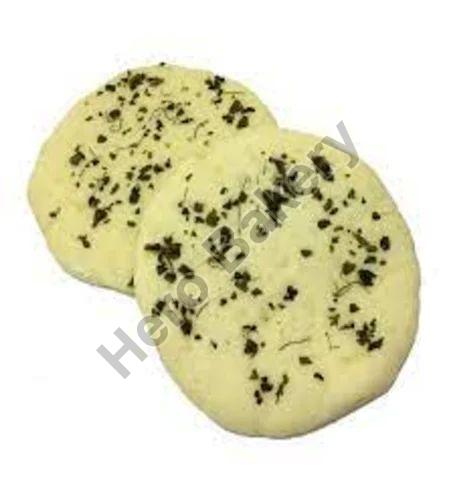
| Business Type | Manufacturer, Supplier, Trader |
| Country of Origin | India |
| Shape | Round |
| Shelf Life | 2 Days |
| Feature | Healthy To Eat, Soft Texture |
| Texture | Soft |
| Taste | Salty |
| Packaging Type | Plastic Packets |
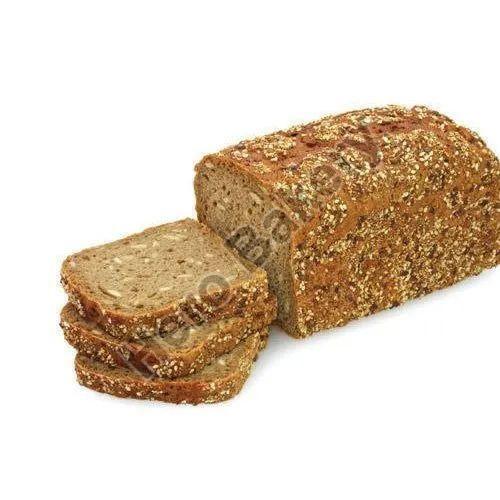
| Business Type | Manufacturer, Supplier, Trader |
| Country of Origin | India |
| Certification | FSSAI Certified |
| Application | Bakery Use, Breakfast Use |
| Shelf Life | 1 Week |
| Color | Brown |
| Feature | Good In Taste, Nutritious |
| Packaging Type | Plastic Packets |

| Business Type | Manufacturer, Supplier, Trader |
| Storage | Cool & Dry Place |
| Shelf Life | 2 Days |
| Usage | Bakery Use, Breakfast Use |
| Packaging | Plastic Packets |
| Certification | FSSAI Certified |
| Feature | Good In Taste, Low Fat |
| Country of Origin | India |
The Right Pav Bread Manufacturer for Your Business
Few bread varieties hold as much cultural and culinary significance in India as pav. Soft, fluffy, and slightly sweet, pav is the heart of iconic dishes like vada pav, pav bhaji, misal pav, and bhurji pav. Whether you run a street food stall, a restaurant, a hotel buffet, or a retail grocery store, the quality of your pav can make or break your customer's experience. That is why partnering with a trusted Pav Bread Manufacturer is essential. A reliable manufacturer ensures that every batch delivers the same soft texture, golden crust, and consistent size that your recipes demand.
Why Pav Bread Requires Specialized Manufacturing
Unlike standard sandwich bread, pav has unique characteristics. It needs to be soft enough to soak up gravies (like pav bhaji) yet sturdy enough to hold fillings (like vada) without disintegrating. A professional pav bread manufacturer understands this delicate balance. They use specific flour blends, fermentation techniques, and baking processes to achieve the signature pav texture slightly sweet, pillowy soft, with a light golden top that browns beautifully when toasted on a tawa (griddle).
Key Characteristics of a Quality Pav Bread Manufacturer
Not every bakery can produce pav at scale. Here is what sets a top pav bread manufacturer apart:
Consistent Softness: The pav should remain soft for 3–5 days without becoming dry or crumbly. A good manufacturer achieves this through proper dough hydration and enzyme-based dough conditioners, not artificial softeners.
Uniform Size & Shape: Each pav in a batch should be identical. Irregular sizes lead to uneven cooking on the tawa and poor portion control for commercial kitchens.
Golden-Brown Top: Authentic pav has a characteristic brown, slightly glossy top, often achieved by brushing with milk or sugar water before baking.
Slight Sweetness: Pav has a mild, pleasant sweetness that distinguishes it from dinner rolls or burger buns. A skilled pav bread manufacturer gets this balance right never overpowering, never absent.
Hygienic Production: Certifications like FSSAI, ISO 22000, or HACCP indicate that the manufacturer follows strict food safety protocols.
Who Needs a Reliable Pav Bread Manufacturer?
The customer base for pav is vast and varied across India and beyond:
Street Food Vendors: Vada pav stalls, pav bhaji carts, and egg bhurji vendors need fresh, soft pav delivered daily in large quantities.
Restaurants & Cafés: Fine-dining and casual restaurants serving fusion pav dishes or Mumbai-style street food require consistent quality.
Hotels & Banquet Halls: Breakfast buffets, room service, and high-tea menus often feature pav with butter, jam, or accompaniments.
Retail Grocery Stores: Packaged pav is a staple in refrigerator sections for home cooks making pav bhaji or masala pav.
Cloud Kitchens & Delivery Apps: Pav-based dishes are popular on delivery platforms. Soft pav that survives transit is non-negotiable.
Catering Companies: Weddings, corporate events, and parties serving pav-based appetisers need bulk orders with reliable logistics.
How to Evaluate a Pav Bread Manufacturer Before Bulk Orders
Before signing a supply agreement, follow this verification checklist:
Request Fresh Samples: Order samples delivered exactly as a regular order would arrive. Test the pav immediately for softness, taste, and sweetness. Then test again after 24 and 48 hours to see how well it holds.
Perform the Squeeze Test: A good pav should spring back when gently squeezed, not remain compressed or crack.
Check Tawa Performance: Toast a few pav on a dry tawa or griddle. Quality pav browns evenly without burning or sticking.
Verify Ingredients: Ask for the flour type (maida or atta blend), fat used (butter, margarine, or oil), and preservative levels.
Visit the Facility (Physical or Virtual): Check fermentation controls, baking ovens, cooling racks, and packing hygiene.
Review Lead Times & MOQ: Ask about minimum order quantities, production lead times, delivery schedules, and coverage area. A professional Pav Bread Manufacturer should handle daily standing orders as well as emergency top-ups.
Customization Options from Advanced Pav Bread Manufacturers
Many leading pav bread manufacturers now offer value-added services:
Private Labeling: Your brand name, logo, and custom packaging on their pav products.
Recipe Variations: Whole wheat pav, multigrain pav, millet-based pav, or low-sugar options for health-conscious buyers.
Size Options: Mini pav for sliders, large pav for hearty sandwiches, or extra-soft pav for specific regional dishes.
Packaging Formats: Loose packs for street vendors, sealed polybags for retail, or bulk trays for caterers.
Frozen Pav: Par-baked or fully baked frozen pav that can be thawed and finished as needed—ideal for businesses with variable demand.
Storage & Handling Tips for Pav
To maintain freshness after delivery:
Store pav at room temperature in a cool, dry place away from direct sunlight.
Keep in airtight bags or containers once opened.
Do not refrigerate, as cold temperatures accelerate staling.
For longer storage, freeze pav in sealed bags for up to 1 month. Thaw at room temperature or warm in a microwave/oven before serving.
Refresh day-old pav by sprinkling water lightly and heating on a tawa or in an oven for 2–3 minutes.
The Future of Pav Bread Manufacturing
The humble pav is evolving with consumer trends. Forward-thinking Pav Bread Manufacturer are introducing the following:
Clean-Label Pav: No artificial preservatives, colours, or dough conditioners.
High-Fibre Pav: Made with atta, ragi, jowar, or bajra for health-conscious consumers.
Fortified Pav: Enriched with iron, calcium, or vitamin D to address nutritional gaps.
Sustainable Packaging: Using recycled or biodegradable materials for retail packs.
Final Checklist Before Partnering
Before finalizing a deal, ensure your Pav Bread Manufacturer offers:
Transparent pricing with volume discounts for bulk regular orders.
Consistent product quality verified through regular lab testing and batch sampling.
Reliable delivery network covering your operational area with minimal lead time.
Responsive customer support for urgent re-orders, quality complaints, or holiday spikes.
Clear policies on damaged goods, short-dated products, and replacements.
Conclusion
Finding the right pav-bread manufacturer is a strategic decision that directly impacts your food quality, customer satisfaction, and operational efficiency. A reliable manufacturer delivers not just soft, golden pav but also consistency, hygiene, and peace of mind. Whether you run a bustling vada pav cart, a popular pav bhaji restaurant, or a retail grocery chain, partnering with a trusted pav bread manufacturer ensures that every pav, warm, fluffy, and slightly sweet, lives up to its iconic reputation. Choose wisely, serve proudly, and watch your customers come back for more.
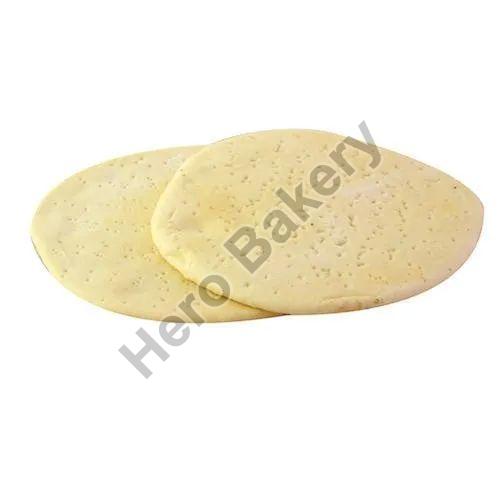
| Business Type | Manufacturer, Supplier, Trader |
| Application | Pizza Making |
| Country of Origin | India |
| Feature | 100% Veg |
| Shape | Round |
| Texture | Semi-Soft |
Perfect Pizza Base Supplier for Your Business
The global love for pizza shows no signs of slowing down. From classic margheritas to loaded meat feasts, the foundation of every great pizza is its base. A perfect pizza base should be crispy on the outside, soft and airy on the inside, and sturdy enough to hold toppings without becoming soggy. Whether you run a pizzeria, a cloud kitchen, a food truck, or a frozen food retail brand, your success depends heavily on one critical partner a reliable Pizza Base Supplier Choosing the right supplier ensures consistency, quality, and cost-efficiency, allowing you to focus on creating delicious pizzas that keep customers coming back.
Why Your Choice of Pizza Base Supplier Matters
Not all pizza bases are created equal. A professional Pizza Base Supplier understands the science and art of dough making. They use the right flour (high-protein wheat for chewiness), proper fermentation techniques (for flavour development), and precise baking or par-baking processes. A substandard supplier can deliver bases that are too thick, too thin, crack under toppings, or become chewy instead of crispy. In the competitive food service industry, such inconsistencies can damage your brand reputation and drive customers to competitors.
Key Characteristics of a Reliable Pizza Base Supplier
When evaluating potential partners, look for these essential traits:
Consistent Thickness & Diameter: Whether you need 6-inch personal pizzas, 10-inch mediums, or 14-inch large bases, a quality pizza base supplier ensures every base is uniform in size and thickness. This consistency is critical for portion control, baking times, and presentation.
Superior Texture: The base should have a golden-brown color, a crispy yet pliable crust, and a soft crumb inside. It should not be hard, brittle, or overly doughy.
Ingredient Quality: Look for suppliers using high-quality wheat flour, olive oil or quality vegetable oil, yeast, salt, and sugar. Avoid those using excessive preservatives, artificial softeners, or low-grade fats.
Par-Baked or Fully Baked Options: Most commercial pizza bases are par-baked (partially cooked) so they can be finished in your oven with toppings. A versatile pizza base supplier offers both par-baked and fully baked options, as well as raw dough balls for artisanal pizzerias.
Hygienic Manufacturing: Certifications like FSSAI, ISO 22000, HACCP, or BRCGS indicate strict food safety protocols.
Types of Pizza Bases Offered by Professional Suppliers
A good Pizza Base Supplier will offer a variety of styles to suit different menus:
Thin Crust (Italian Style): Crispy, light, and perfect for minimal toppings or gourmet pizzas.
Thick Crust (Sicilian or Pan Style): Fluffy, bread-like, ideal for heavy toppings and deep-dish pizzas.
Whole Wheat or Multigrain: Healthier options with added fiber and nutrients.
Gluten-Free: Made with rice flour, tapioca starch, or almond flour for customers with celiac disease or gluten sensitivity.
Stuffed Crust: Bases with a ring of cheese or other fillings baked into the outer edge.
Cauliflower or Vegetable-Based: Low-carb, keto-friendly alternatives for health-conscious consumers.
Who Needs a Dependable Pizza Base Supplier?
The customer base for pizza bases is extensive:
Pizzerias & Italian Restaurants: Need consistent, high-quality bases for dine-in, takeout, and delivery menus.
Cloud Kitchens & Delivery-Only Brands: Rely on bases that survive delivery without becoming soggy or breaking.
Food Trucks & Fast-Food Outlets: Require quick-cooking bases for fast service without compromising taste.
Hotels & Banquet Halls: Use pizza bases for buffets, room service, and children's menus.
Retail Grocery Stores: Stock frozen or refrigerated pizza bases for home cooks.
Catering Companies: Need bulk quantities for events, parties, and corporate gatherings.
Schools & Colleges: Offer pizza as a popular, easy-to-serve lunch option.
How to Evaluate a Pizza Base Supplier Before Bulk Orders
Before signing a supply agreement, follow this verification checklist:
Request Samples in Different Sizes: Order thin crust, thick crust, and any specialty bases you plan to offer. Test each with your standard sauce, cheese, and toppings.
Perform the Topping Test: Load a base generously with sauce, cheese, and heavy toppings (like mushrooms, peppers, or sausage). Bake according to your normal process. Check if the center remains crispy, if the edges burn, or if the base becomes soggy or breaks.
Test Reheating Quality: If you offer delivery or takeout, bake a pizza, let it sit for 15–20 minutes in a delivery box, then check texture. A good base will remain crisp, not limp or rubbery.
Check Freeze-Thaw Stability: If you plan to stock frozen bases, freeze a sample, thaw it, and bake. Ensure there is no texture degradation, excess moisture, or cracking.
Verify Ingredients & Nutrition: Request full ingredient lists, allergen information, and nutritional panels. Ensure there are no hidden trans fats or unwanted additives.
Assess Logistics & MOQ: Ask about minimum order quantities, lead times, delivery schedules, freezing requirements (for frozen bases), and coverage area. A professional Pizza Base Supplier will have cold-chain logistics for frozen products.
Read Client Testimonials: Speak to existing restaurant or pizzeria owners. Ask about delivery punctuality, product consistency across batches, and how the supplier handles quality complaints or urgent re-orders.
Customization Options from Advanced Pizza Base Suppliers
Many leading Pizza Base Supplier now offer value-added services:
Private Labeling: Your brand name, logo, and custom packaging printed on the pizza base boxes.
Recipe Customization: Adjust salt levels, add herbs (oregano, basil, rosemary) into the dough, or create signature blends like charcoal-infused or beetroot-colored bases.
Size & Shape Variations: Round, rectangular (Roman-style), square (Sicilian), or even heart-shaped for special occasions.
Diet-Specific Formulations: Vegan (no dairy or eggs), keto, paleo, or high-protein bases.
Packaging Formats: Bulk packs for restaurants, retail packs for grocery stores, or individual vacuum-sealed bases for home delivery kits.
Storage & Handling Tips for Pizza Bases
To maintain quality after delivery:
Par-Baked Bases (Room Temperature): Store in a cool, dry place away from sunlight. Once opened, use within 2–3 days or refrigerate.
Fully Baked Bases: Similar storage to par-baked, but they have a slightly shorter shelf life.
Frozen Bases: Keep at -18°C or below. Do not refreeze after thawing. Thaw in the refrigerator overnight before use.
Raw Dough Balls: Refrigerate at 2-4°C and use within the manufacturer's recommended window. Allow to come to room temperature before shaping.
Do Not Refrigerate Par-Baked Bases: Refrigeration accelerates staling. Freeze for long-term storage instead.
The Future of Pizza Base Supply
The pizza market is evolving, and innovative pizza base suppliers are keeping pace:
Clean-Label Bases: No artificial preservatives, colors, or dough conditioners. Ingredients you can pronounce.
Functional Bases: Fortified with protein, fiber, or probiotics for health-conscious consumers.
Ancient Grain Bases: Made with spelt, kamut, or einkorn wheat for unique flavors and nutritional profiles.
Sustainable Packaging: Compostable or recycled materials for all packaging.
Carbon-Neutral Production: Suppliers offsetting their carbon footprint through renewable energy and reforestation.
Final Checklist Before Partnering
Before finalizing a deal, ensure your Pizza Base Supplier offers:
Transparent pricing with volume discounts for regular bulk orders.
Consistent product quality across all batches, verified through lab testing and batch sampling.
Reliable cold-chain logistics (for frozen products) and delivery network covering your area.
Flexible MOQs for trial periods or seasonal menu changes.
Responsive customer support for urgent re-orders, quality issues, or holiday spikes.
Clear policies on damaged goods, short-dated products, and replacements.
Conclusion
Finding the right pizza base supplier is not just a procurement decision; it is a strategic partnership that directly impacts your food quality, operational efficiency, and customer loyalty. A trustworthy supplier delivers consistent, delicious bases that let your toppings shine and your crusts crisp perfectly. Whether you run a neighbourhood pizzeria, a national delivery chain, or a retail frozen food brand, investing in a reliable pizza base supplier is the foundation of your success. Choose wisely, bake proudly, and watch your pizza business rise to new heights.
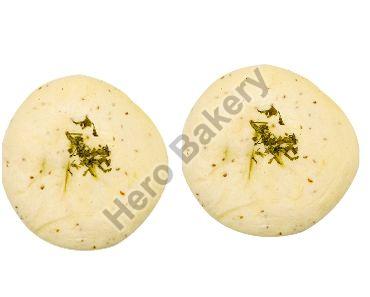
| Business Type | Manufacturer, Supplier, Trader |
| Country of Origin | India |
| Shape | Round |
| Shelf Life | 2 Days |
| Color | Creamy |
| Feature | Healthy To Eat, Soft Texture |
| Texture | Soft |
| Taste | Salty |
| Packaging Type | Plastic Packets |
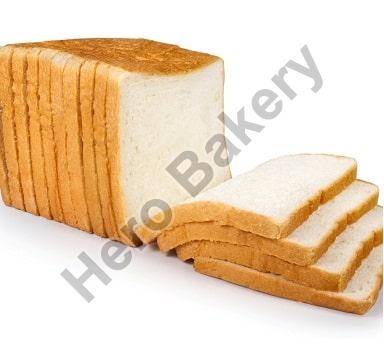
| Business Type | Manufacturer, Supplier, Trader |
| Country of Origin | India |
| Certification | FSSAI Certified |
| Application | Bakery Use, Breakfast Use |
| Shelf Life | 1 Week |
| Color | White |
| Packaging Type | Plastic Packets |

| Business Type | Manufacturer, Supplier, Trader |
| Usage | Sweet,Human Consumption |
| Packaging | Plastic Packets |
| Shelf Life | 1 Month |
| Texture | Crispy |
| Country of Origin | India |
| Number Of Flower | Rusk Toast |
Saunf Rusk Manufacturer: The Perfect Blend of Crunch and Aroma
Rusk has long been the trusted companion to morning tea and evening coffee. But as consumer palates evolve, plain rusk is making way for more aromatic, flavourful variants. One such rising star is saunf (fennel seed) rusk. With its sweet, liquorice-like fragrance and digestive benefits, saunf rusk offers a unique tea-time experience that is both delicious and functional. Whether you run a retail store, a café, or a distribution business, partnering with a reliable Saunf Rusk Manufacturer ensures that every crunchy bite delivers consistent quality, authentic flavour, and customer satisfaction.
Why Saunf Rusk Stands Out in the Market
Unlike cardamom or plain rusk, saunf rusk offers a distinctively refreshing taste. The tiny green fennel seeds not only add visual appeal but also release a subtle sweetness and cooling aroma with every bite. A professional saunf rusk manufacturer understands that fennel cannot be an afterthought; it must be evenly distributed throughout the dough, not just sprinkled on top. Furthermore, saunf is known in Ayurveda for aiding digestion, reducing bloating, and freshening breath. This makes saunf rusk an attractive choice for health-conscious consumers who want a flavourful snack without artificial additives.
Key Characteristics of a Quality Saunf Rusk Manufacturer
Not all manufacturers can produce saunf rusk at scale. Here is what sets a top Saunf Rusk manufacturer apart:
Visible Fennel Seeds: Premium saunf rusk shows generous, evenly distributed fennel seeds on the surface and within the slice. The seeds should be whole or lightly crushed, never powdered to the point of invisibility.
Balanced Flavor: The sweetness of the rusk and the natural licorice notes of saunf should complement each other. Neither should overpower. A skilled saunf rusk manufacturer achieves this perfect harmony.
Perfect Crunch: Like all rusks, saunf rusk must be twice-baked to achieve that signature dry, crispy texture. It should snap cleanly when broken and hold up well when dipped in tea or coffee without disintegrating immediately.
Golden-Brown Color: The rusk should have a uniform golden-brown hue, indicating even baking and proper caramelization of sugars.
Clean Ingredients: Quality manufacturers use real butter or quality vegetable oils, natural fennel seeds, and no artificial flavors or excessive preservatives.
Who Needs a Reliable Saunf Rusk Manufacturer?
The customer base for saunf rusk is diverse and growing:
Tea Shops & Cafés: Offer saunf rusk as a premium, aromatic alternative to plain rusk, especially with masala chai or ginger tea.
Retail Grocery Stores: Stock in the "traditional snacks" or "gourmet rusk" aisle to attract customers seeking variety.
Hotels & Banquet Halls: Include saunf rusk in breakfast buffets, high-tea menus, or welcome hampers for a touch of elegance.
Online Snack Retailers: Sell branded or private-label saunf rusk through e-commerce platforms.
Corporate Gifting Companies: Add saunf rusk to festive hampers for Diwali, Eid, or Christmas—its digestive properties make it a thoughtful addition after heavy meals.
Ayurvedic & Wellness Stores: Position saunf rusk as a functional food that supports digestion.
How to Evaluate a Saunf Rusk Manufacturer Before Bulk Orders
Before signing a supply agreement, follow this verification checklist:
Request Samples from Multiple Batches: Order samples from at least two different production runs. Check for consistency in color, crunch, fennel distribution, and taste.
Perform the Dip Test: Dip the rusk in hot tea, coffee, or warm milk. A quality product should absorb liquid slowly, stay intact for 10–15 seconds, and not turn into mush immediately.
Check Aroma: Crush a piece and smell it. The fennel aroma should be natural and refreshing, not artificial or chemical-like.
Verify Ingredients: Ask for the exact percentage of saunf used and confirm there are no artificial fennel flavours or essences.
Inspect Packaging: Ensure the Saunf Rusk manufacturer uses airtight, moisture-proof pouches or jars. Improper packaging leads to staleness, loss of crunch, or mould growth.
Review Certifications: FSSAI, ISO, or HACCP certifications indicate hygienic manufacturing practices.
Assess Logistics & MOQ: Ask about minimum order quantities, lead times, delivery schedules, and shipping coverage. A professional manufacturer should handle both regular weekly orders and seasonal spikes.
Customization Options from Advanced Saunf Rusk Manufacturers
Many leading Saunf Rusk Manufacturer now offer value-added services:
Private Labeling: Your brand name, logo, and custom packaging on their saunf rusk products.
Flavor Variations: Saunf combined with other spices like ajwain (carom seeds), black pepper, or even a touch of cardamom for a masala rusk.
Health-Optimized Versions: Whole wheat saunf rusk, low-sugar options, or gluten-free formulations using alternative flours.
Packaging Formats: Family packs (500g), snack pouches (100g), bulk jars for retailers, or single-serve sachets for vending machines.
Sweetness Adjustment: Customisable sugar levels to suit regional taste preferences or diabetic-friendly needs.
Storage & Handling Tips for Saunf Rusk
To maintain freshness and crunch:
Store in a cool, dry place away from direct sunlight and humidity.
Once opened, transfer to an airtight container immediately.
Do not refrigerate, as moisture will soften the rusk.
Consume within 4–6 months for best taste (though most suppliers guarantee up to 9 months with proper packaging).
Serving Suggestions
Elevate your saunf rusk experience with these ideas:
Classic Dip: Serve with masala chai, ginger tea, or black coffee.
With Yogurt: Crumble over plain or fruit yoghurt for added crunch and flavour.
Dessert Topping: Crush and sprinkle over ice cream, kheer, or fruit salad.
Cheese Pairing: Serve alongside mild cheese like gouda or cream cheese for a sweet-savoury appetiser.
The Future of Saunf Rusk Manufacturing
The rusk market is diversifying, and innovative Saunf Rusk Manufacturer are introducing:
Organic Saunf Rusks: Made with organically grown fennel seeds and wheat flour.
Fortified Rusks: Added iron, calcium, or B vitamins for nutritional enhancement.
Sugar-Free Variants: Sweetened with stevia, monk fruit, or erythritol for diabetics.
Eco-Friendly Packaging: Compostable or recycled materials for all packaging.
Final Checklist Before Partnering
Before finalizing a deal, ensure your Saunf Rusk Manufacturer offers:
Transparent pricing with volume discounts for regular bulk orders.
Consistent product quality across all batches, verified through lab testing.
Reliable delivery network covering your operational area.
Responsive customer support for urgent re-orders or quality complaints.
Clear policies on damaged goods, short-dated products, and replacements.
Conclusion
Finding the right Saunf Rusk manufacturer is about more than just procurement; it is a partnership that brings aroma, flavour, and quality to every tea-time moment. Saunf rusk offers a unique combination of satisfying crunch, refreshing fennel taste, and digestive wellness. Whether you are a retailer, café owner, or distributor, investing in a trusted Saunf Rusk manufacturer ensures that every rusk you sell carries the same fragrant, crispy perfection. Choose wisely, serve proudly, and watch your customers return for another dip.
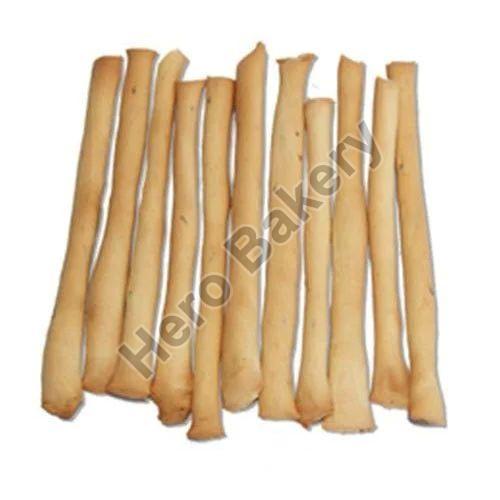
| Business Type | Manufacturer, Supplier, Trader |
| Country of Origin | India |
| Packaging Type | Plastic Pack |
| Shelf Life | 1 Month |
| Application | Bakery,Salty |
Soup Sticks Supplier: The Crunchy Companion Your Menu Needs
There is something deeply satisfying about pairing a warm, comforting bowl of soup with a crunchy, savoury breadstick. Soup sticks those long, slender, baked snacks have become an essential accompaniment in cafes, hotels, restaurants, and even home kitchens. Whether served alongside tomato soup, cream of mushroom, or chicken broth, they add texture, flavour, and a touch of elegance. However, to consistently offer high-quality soup sticks, businesses need a dependable Soup sticks supplier. Choosing the right supplier ensures that every batch delivers the perfect crunch, authentic taste, and reliable freshness that keeps customers dipping and crunching until the last bite.
Why Soup Sticks Deserve a Dedicated Supplier
Unlike regular biscuits or crackers, soup sticks are specifically designed to complement liquid-based dishes. They need to be sturdy enough to dip without disintegrating, crunchy enough to provide satisfying texture, and flavourful enough to enhance, not overpower the soup itself. A professional soup stick supplier understands these unique requirements. They use specialised dough formulations, precise baking techniques, and quality ingredients to create soup sticks that are consistent in length, thickness, and crispness.
Key Characteristics of a Quality Soup Sticks Supplier
When evaluating potential partners, look for these essential traits:
Consistent Size & Shape: Soup sticks should be uniform in length (typically 8–12 cm), thickness, and color. A reliable Soup Sticks Supplier ensures that every stick in every pack looks and bakes identically.
Perfect Crunch: The sticks must be crispy and crunchy but not rock-hard. They should snap cleanly when broken and maintain their texture even after a brief dip in hot soup.
Flavor Variety: Quality suppliers offer multiple flavors to suit different soups and customer preferences, including plain salted, cheese, black pepper, garlic, herb (rosemary/thyme), whole wheat, and multigrain.
Clean Ingredients: Look for suppliers using quality flour (maida or atta), butter or healthy vegetable oils, natural seasonings, and minimal preservatives.
Hygienic Manufacturing: Certifications like FSSAI, ISO 22000, or HACCP indicate strict food safety protocols.
Who Needs a Reliable Soup Sticks Supplier?
The customer base for soup sticks is surprisingly broad:
Restaurants & Cafés: Serve soup sticks as a complimentary accompaniment with soup-of-the-day or as a paid add-on.
Hotels & Banquet Halls: Include them in breakfast buffets, lunch spreads, and high-tea menus.
Fast-Food Chains: Pair soup sticks with value meals featuring soup and sandwich combinations.
Retail Grocery Stores: Stock packaged soup sticks in the soup aisle or snack section for home consumers.
Cloud Kitchens & Delivery Apps: Offer soup sticks as an add-on item with soup orders.
Catering Companies: Provide bulk quantities for corporate events, weddings, and winter parties.
Hospitals & Nursing Homes: Serve soup sticks with nourishing soups for patients requiring soft, easy-to-eat meals.
How to Evaluate a Soup Sticks Supplier Before Bulk Orders
Before signing a supply agreement, follow this verification checklist:
Request Samples in Multiple Flavours: Order plain, cheese, and garlic or herb varieties. Taste each with different types of soup tomato, cream, and broth-based.
Perform the Dip Test: Dip a soup stick into hot soup (70–80°C) for 10, 20, and 30 seconds. A quality product should remain intact for at least 15–20 seconds before becoming soft.
Check Crunch Freshness: Break a stick. It should snap cleanly, not bend or crumble into dust. Store a sample for 3–5 days in normal conditions to see if it stays crunchy.
Verify Ingredients: Ask for the exact flour type, fat used (butter or oil), seasoning sources (real cheese or powder), and preservative levels.
Inspect Packaging: Ensure the Soup Sticks Supplier uses airtight, moisture-proof pouches or boxes. Nitrogen flushing is a plus for extended shelf life.
Review Certifications: FSSAI, ISO, or HACCP certifications indicate hygienic manufacturing.
Assess Logistics & MOQ: Ask about minimum order quantities, lead times, delivery schedules, and shipping coverage. A professional supplier should handle both regular weekly orders and seasonal spikes.
Customization Options from Advanced Soup Sticks Suppliers
Many leading Soup Sticks Supplier now offer value-added services:
Private Labeling: Your brand name, logo, and custom packaging on their soup sticks.
Flavour Customisation: Create unique blends like peri-peri, jalapeño cheddar, truffle salt, or Indian masala.
Diet-Specific Options: Gluten-free (rice flour, almond flour), vegan (no butter or eggs), low-sodium, or high-fiber variants.
Shape & Size Variations: Mini sticks for kids, extra-long sticks for gourmet presentation, or twisted sticks for visual appeal.
Packaging Formats: Single-serve sachets for vending machines, family packs for retail, bulk boxes for restaurants, or compostable eco-pouches.
Storage & Handling Tips for Soup Sticks
To maintain freshness and crunch:
Store in a cool, dry place away from direct sunlight and humidity.
Once opened, transfer to an airtight container immediately.
Do not refrigerate, as moisture will soften the sticks.
Consume within the manufacturer's recommended shelf life (typically 4–6 months for sealed packs).
For extended storage, freeze unopened packs in sealed freezer bags. Thaw at room temperature without opening to avoid condensation.
Serving Suggestions
Elevate your soup stick offerings with these ideas:
Classic Pairing: Serve 2–3 sticks standing upright in a small glass alongside a soup bowl.
Crumb Topping: Crush soup sticks and sprinkle over baked soups or casseroles.
Cheese Dip: Serve with warm cheese dip or hummus as an appetizer.
Salad Croutons: Break into small pieces and use as crunchy salad toppers.
Gift Packs: Package gourmet-flavoured soup sticks in decorative tins or cellophane bags with ribbon for festive gifting.
The Future of Soup Stick Manufacturing
The soup stick market is evolving with consumer trends. Innovative soup stick suppliers are introducing the following:
Clean-Label Sticks: No artificial colours, flavours, or preservatives. Ingredients you can pronounce.
Ancient Grain Sticks: Made with spelt, quinoa, or amaranth flour for unique nutrition profiles.
Protein-Enriched Sticks: Added pea or whey protein for health-conscious consumers.
Soup Stick "Dippers": Shorter, thicker sticks designed specifically for dipping into small cups.
Sustainable Packaging: Compostable or recycled materials with minimal plastic.
Final Checklist Before Partnering
Before finalising a deal, ensure your soup stick supplier offers the following:
Transparent pricing with volume discounts for regular bulk orders.
Consistent product quality across all batches, verified through lab testing.
Reliable delivery network covering your operational area.
Responsive customer support for urgent re-orders or quality complaints.
Clear policies on damaged goods, short-dated products, and replacements.
Conclusion
Finding the right soup stick supplier is more than a procurement decision; it is a partnership that elevates your soup offerings from ordinary to memorable. A trustworthy supplier delivers consistent crunch, authentic flavours, and reliable freshness that keep customers dipping with delight. Whether you run a cosy café, a bustling hotel buffet, or a retail grocery chain, investing in a quality soup stick supplier ensures that every bowl of soup comes with the perfect crunchy companion. Choose wisely, serve proudly, and watch your soup sales rise one satisfying dip at a time.
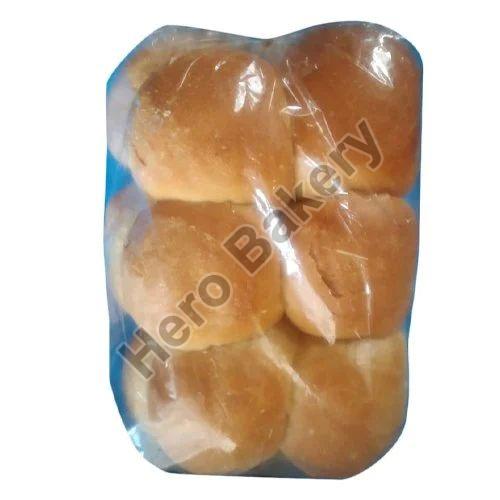
| Business Type | Manufacturer, Supplier, Trader |
| Feature | Free From Impurities |
| Shelf Life | 1 Week |
| Application | Bakery,Sweet |
| Certification | FSSAI Certified |
| Country of Origin | India |
| Texture | Soft |
Sweet Bun Supplier: The Secret to Soft, Fluffy Indulgence
There is something universally loved about a soft, sweet, pillowy bun. Whether enjoyed plain with a cup of tea, stuffed with cream or chocolate, or served as a breakfast treat, sweet buns have secured a permanent place in bakeries, hotels, and home kitchens. Unlike regular dinner rolls or pav, sweet buns contain a higher proportion of sugar, butter, and often milk or eggs, resulting in a tender crumb and a slightly caramelised golden top. For businesses that rely on consistent quality and taste, partnering with a reliable Sweet Bun Supplier is essential. A trusted supplier ensures that every bun delivers the perfect balance of sweetness, softness, and freshness—batch after batch.
Why Sweet Buns Require a Specialized Supplier
Sweet buns are not simply bread with extra sugar. They require precise dough formulation, controlled fermentation, and careful baking to achieve that characteristic soft texture without becoming dense or dry. A professional Sweet Bun Supplier understands the science behind enriched doughs. They use high-protein flour for structure, sufficient fat (butter or margarine) for tenderness, and the right amount of sugar for sweetness and browning. Additionally, they maintain strict quality controls to ensure uniformity in size, shape, and color—critical factors for bakeries, hotels, and retailers who need consistent presentation.
Key Characteristics of a Quality Sweet Bun Supplier
When evaluating potential partners, look for these essential traits:
Consistent Softness: A quality sweet bun should remain soft for 2–3 days without becoming dry or crumbly. A skilled Sweet Bun Supplier achieves this through proper dough hydration and carefully balanced ingredients, not excessive preservatives.
Uniform Size & Shape: Each bun should be identical in diameter, height, and color. Irregular buns lead to poor presentation and uneven portioning for stuffed bun products.
Golden-Brown Top: Sweet buns typically have a glossy, golden-brown surface, often achieved by an egg wash or milk wash before baking.
Perfect Sweetness: The sugar level should be noticeable but not overpowering—sweet enough to be enjoyed on its own but versatile enough to pair with savory fillings like chicken or cheese.
Tender Crumb: When pulled apart, the bun should reveal a soft, slightly stringy interior, not a dense or cake-like texture.
Hygienic Manufacturing: Certifications like FSSAI, ISO 22000, or HACCP indicate strict food safety protocols.
Who Needs a Reliable Sweet Bun Supplier?
The customer base for sweet buns is extensive and varied:
Bakeries & Patisseries: Sell sweet buns as standalone items, stuffed with cream, chocolate, or fruit fillings.
Hotels & Resorts: Serve sweet buns in breakfast buffets, room service, or as part of high-tea platters.
Fast-Food Chains & Cafés: Use sweet buns for dessert sandwiches, ice cream buns, or sweet burger concepts.
Retail Grocery Stores: Stock packaged sweet buns in the bakery section for home consumers seeking quick breakfast options.
Cloud Kitchens & Delivery Apps: Offer sweet buns as an add-on item or as the base for stuffed bun deliveries.
Catering Companies: Provide bulk quantities for events, birthday parties, and corporate breakfasts.
Schools & Colleges: Serve sweet buns as part of morning snack or lunch programs.
How to Evaluate a Sweet Bun Supplier Before Bulk Orders
Before signing a supply agreement, follow this verification checklist:
Request Fresh Samples: Order samples delivered as a regular order would arrive. Test the buns immediately for softness, sweetness, and aroma. Then test again after 24 and 48 hours to see how well they hold.
Perform the Squeeze Test: Gently squeeze a bun. It should compress easily and spring back to its original shape without remaining indented or cracking.
Taste Test: Eat a bun plain, then try it with butter, jam, or a savory filling. The sweetness should complement both sweet and savory pairings.
Check Shelf Life: Store samples in normal conditions (room temperature, sealed bag) for 3–5 days. A good Sweet Bun Supplier delivers buns that remain soft and fresh for at least 72 hours.
Verify Ingredients: Ask for the exact flour type, fat used (butter, margarine, or oil), sugar percentage, and preservative levels. Avoid suppliers using excessive dough conditioners or artificial softeners.
Inspect Packaging: Ensure buns come in food-grade, moisture-resistant bags. Improper packaging leads to staling or mold growth.
Review Certifications: FSSAI, ISO, or HACCP certifications indicate hygienic manufacturing.
Assess Logistics & MOQ: Ask about minimum order quantities, lead times, delivery schedules, and shipping coverage. A professional supplier should handle daily standing orders as well as seasonal spikes.
Types of Sweet Buns Offered by Professional Suppliers
A good sweet bun supplier will offer a variety of options:
Classic Sweet Buns: Plain, soft, slightly sweet—perfect with tea or coffee.
Milk Buns: Enriched with milk powder or fresh milk for extra softness and a mild dairy flavor.
Butter Buns: Higher butter content for a richer taste and tender crumb.
Filled Sweet Buns: Pre-filled with chocolate, cream, fruit jam, or custard.
Topped Buns: Sprinkled with pearl sugar, sesame seeds, or coconut flakes before baking.
Whole Wheat Sweet Buns: A healthier option with added fiber.
Vegan Sweet Buns: Made with plant-based milk and margarine instead of dairy and eggs.
Customization Options from Advanced Sweet Bun Suppliers
Many leading Sweet Bun Supplier now offer value-added services:
Private Labeling: Your brand name, logo, and custom packaging on their buns.
Recipe Customization: Adjust sweetness levels, add spices (cinnamon, cardamom), or create signature flavors like orange zest or rose.
Size Variations: Mini buns for sliders or kids' meals, jumbo buns for dessert sandwiches.
Diet-Specific Options: Gluten-free, low-sugar, or high-protein sweet buns.
Packaging Formats: Loose bulk packs for bakeries, sealed polybags for retail, or tray-packed for frozen storage.
Storage & Handling Tips for Sweet Buns
To maintain freshness after delivery:
Store at room temperature in a cool, dry place away from direct sunlight.
Keep in airtight bags or containers once opened.
Do not refrigerate, as cold temperatures accelerate staling.
For longer storage, freeze sweet buns in sealed freezer bags for up to 1 month. Thaw at room temperature or warm in a microwave/oven for 10–15 seconds.
Refresh day-old buns by sprinkling lightly with water and warming in an oven at 180°C for 3–5 minutes.
Serving Suggestions
Elevate your sweet bun offerings with these ideas:
Classic Breakfast: Serve warm with butter and jam or honey.
Dessert Bun: Slice horizontally, fill with whipped cream and fresh fruits.
Ice Cream Sandwich: Cut in half, add a scoop of vanilla or chocolate ice cream.
French Toast: Slice thickly, dip in egg-milk mixture, and pan-fry until golden.
Bread Pudding: Cube stale sweet buns and bake with custard and raisins.
Festive Treat: Decorate with icing, sprinkles, or colored sugar for birthdays and holidays.
The Future of Sweet Bun Manufacturing
The sweet bun market is evolving with consumer trends. Innovative Sweet Bun Suppliers are introducing:
Clean-Label Buns: No artificial preservatives, colors, or dough conditioners.
Fortified Buns: Enriched with iron, calcium, or B vitamins for added nutrition.
Protein-Enriched Buns: Added pea or whey protein for health-conscious consumers.
Low-Glycemic Buns: Made with alternative sweeteners like stevia or monk fruit for diabetics.
Sustainable Packaging: Compostable or recycled materials for all packaging.
Final Checklist Before Partnering
Before finalizing a deal, ensure your sweet bun supplier offers:
Transparent pricing with volume discounts for regular bulk orders.
Consistent product quality across all batches, verified through lab testing and batch sampling.
Reliable delivery network covering your operational area with minimal lead time.
Responsive customer support for urgent re-orders, quality complaints, or holiday spikes.
Clear policies on damaged goods, short-dated products, and replacements.
Conclusion
Finding the right sweet bun supplier is a strategic partnership that directly impacts your menu quality, customer satisfaction, and brand reputation. A reliable supplier delivers not just soft, golden buns but also consistency, hygiene, and peace of mind. Whether you run a neighbourhood bakery, a five-star hotel buffet, or a retail grocery chain, partnering with a trusted Sweet Bun Supplier ensures that every sweet, fluffy bite brings a smile to your customer's face. Choose wisely, serve warmly, and watch your bun sales rise.

| Business Type | Manufacturer, Supplier, Trader |
| Country of Origin | India |
| Certification | FSSAI Certified |
| Application | Bakery Use, Breakfast Use |
| Shelf Life | 1 Week |
| Color | Brown |
| Feature | Good In Taste, Healthy |
| Flavor | Wheat Flour |
| Packaging Type | Plastic Packets |
